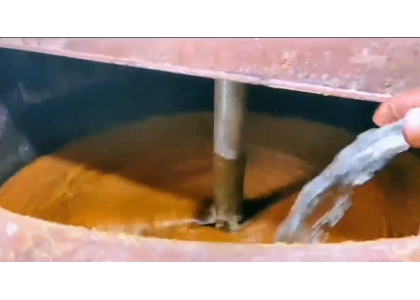
Lye is the single most essential ingredient in traditional soap making. Without lye, saponification cannot take place, and oil remains just oil. Whether you are crafting artisanal bar soaps, industrial liquid cleansers, or premium cosmetic products, understanding how to select and use high-purity lye is crucial for quality, consistency, and safety.
In chemical terms, "lye" refers to a strong alkaline solution derived from sodium hydroxide (NaOH) or potassium hydroxide (KOH):
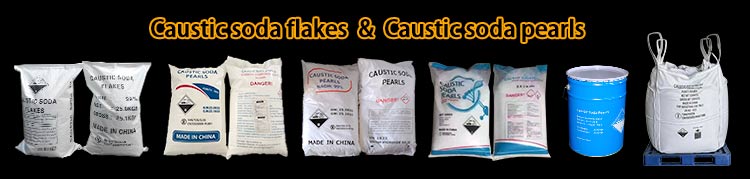
When purchasing lye for soap making, purity is non-negotiable. Standard industrial grade lye may contain trace heavy metals or impurities that can affect the texture, color, and shelf life of your soap. Using 99% high-purity caustic soda flakes or pearls ensures:
Lye is a caustic chemical substance that requires strict safety protocols during preparation and mixing:
For commercial soap manufacturers and wholesale distributors, securing a reliable supply of high-grade sodium hydroxide and potassium hydroxide is critical to maintaining production standards. Look for suppliers providing consistent mesh size, low moisture content, and standardized packaging to prevent clumping during storage.
Contact our expert team today to request technical specifications, Safety Data Sheets (SDS), and bulk pricing for premium soap-grade lye.
Fangyuan (Tianjin) Chemical Co., Ltd. is one of the leading caustic soda suppliers in China, specializing in high-quality sodium hydroxide flakes, pearls, solid, and liquid caustic soda. With 20 years of manufacturing experience and direct shipment from Tianjin Port, we offer stable quality and competitive wholesale prices worldwide. Contact us today for reliable chemical solutions...[ read more ]


Contact person : Alice Wang
WhatsAPP/Mobile Phone:86-18622179529
E-mail: admin@fangyuan-chem.com
Add:Room 908A, Yinzuo Building, No. 35, Second Avenue, Tianjin Economic and Technological Development Area
