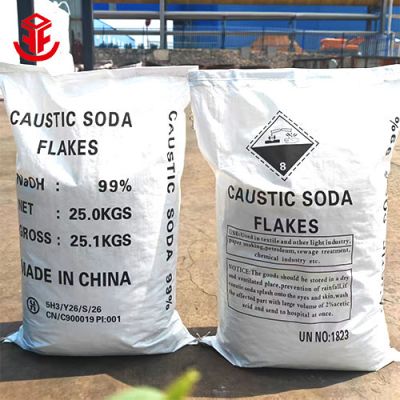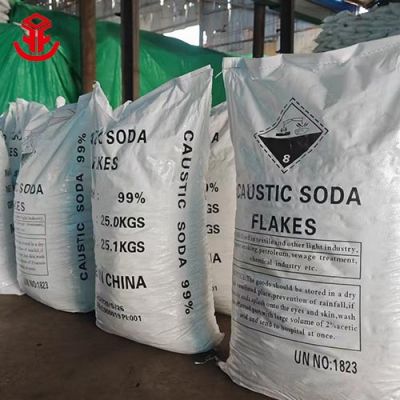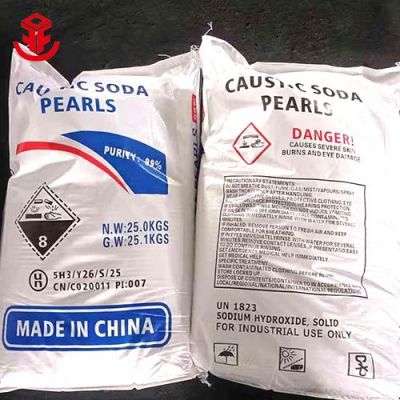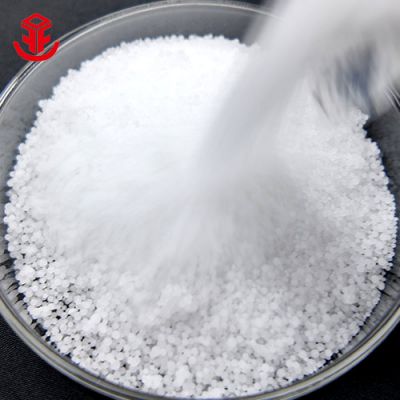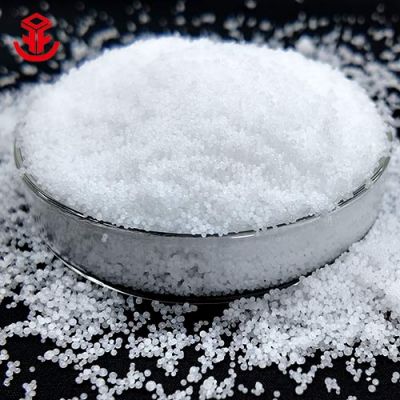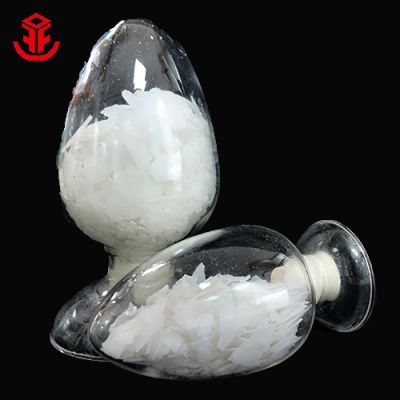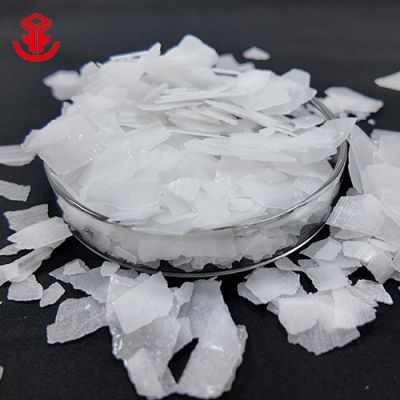
Looking for reliable Liquid Caustic Soda 50% for your industrial operations? We supply high-purity Liquid Sodium Hydroxide (50% NaOH Solution) manufactured using advanced membrane electrolysis technology. Featuring low impurity levels, consistent density, and exceptional chemical stability, our 50% liquid lye is engineered for heavy-duty industrial processing.
Pre-dissolved and ready for immediate automated dosing, Liquid Caustic Soda 50% eliminates the dust hazards, heat-of-dissolution risks, and labor costs associated with solid NaOH flakes or pearls. It serves as an essential raw material in pulp and paper bleaching, industrial water treatment, saponification for soap production, textile mercerizing, and chemical neutralization.
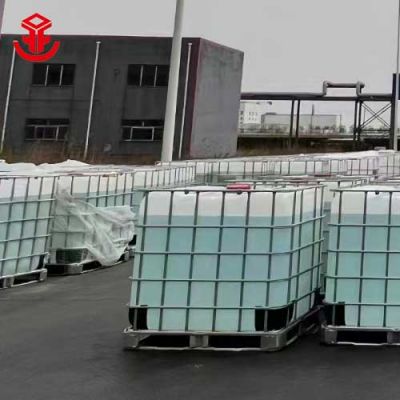
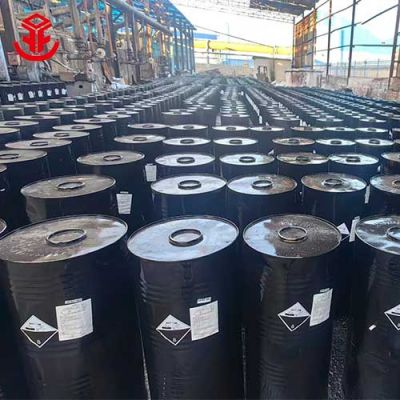
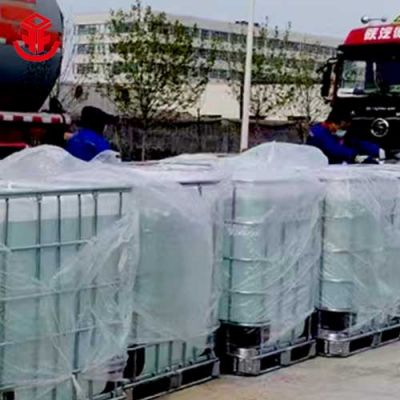
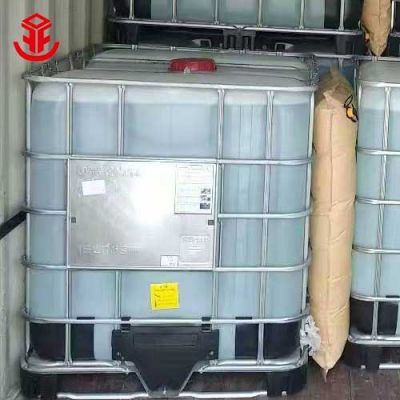
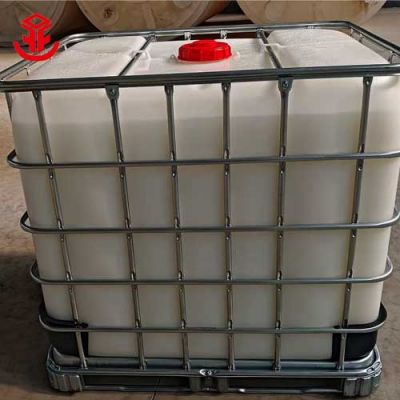
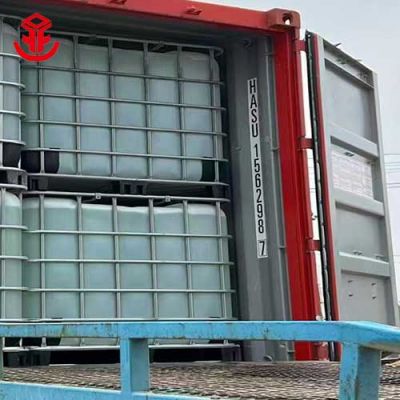
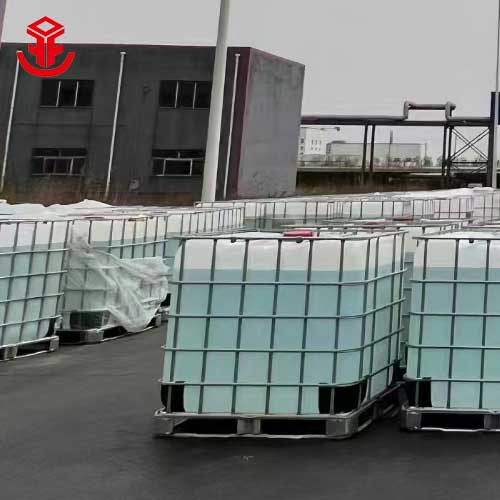
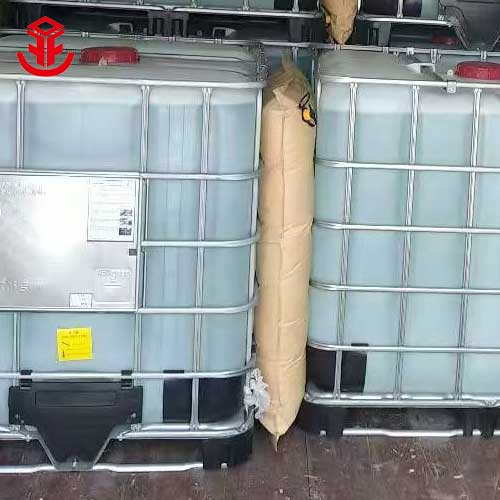
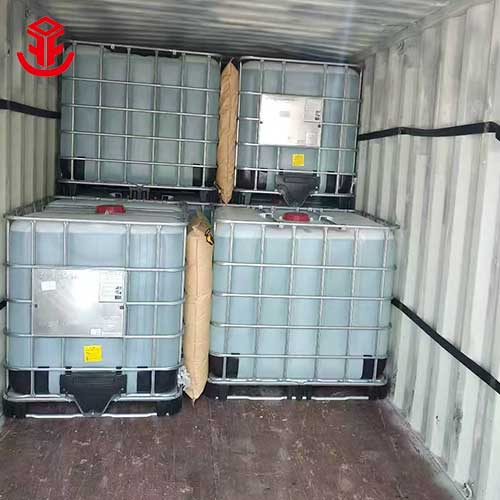
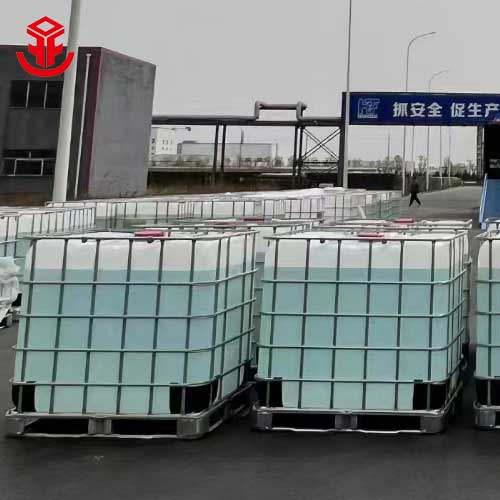
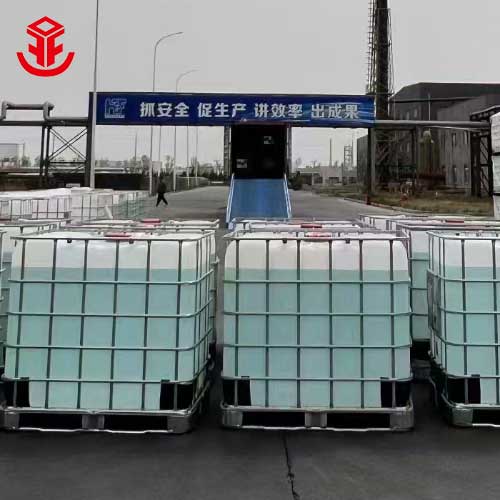
Packaged in corrosion-resistant HDPE drums, 1000L IBC totes, Flexitanks, and bulk ISO tanks, our liquid caustic soda ensures safe transportation and reliable supply worldwide. Contact us today for competitive FOB/CIF price quotes and technical specifications.
| Specification Parameter | Standard Industrial Grade | High-Purity Membrane Grade |
| Sodium Hydroxide (NaOH) Purity | ≥50.0% | ≥ 50.0% |
| Sodium Carbonate (Na2CO3) | ≤0.10% | ≤0.04% |
| Sodium Chloride (NaCl) | ≤0.03% | ≤ 0.005% |
| Iron (Fe2O3) | ≤0.001% | ≤ 0.0003% |
| Density (20°C) |
≈1.52g/cm3 | ≈1.53 g/cm3 |
| Crystallization point | 12°C / 53.6°F |
≈ 12°C / 53.6° F |
| CAS Number | 1310-73-2 | 1310-73-2 |
| UN Dangerous Goods Code | UN 1824, Class 8, PG II | UN 1824, Class 8, PG II |
Key Applications & Industrial Uses
Pulp & Paper Manufacturing: Used extensively across pulp mills in the Kraft pulping process for wood chip delignification, chemical recovery cycles, and pulp bleaching sequences. It breaks down wood lignin to isolate pure cellulose fibers required for high-grade paper, cardboard, and packaging production.
Industrial Water & Effluent Treatment: Functions as a high-potency alkaline agent providing rapid pH neutralization in industrial wastewater treatment plants and acidic water streams. Raising system alkalinity facilitates heavy metal ion precipitation, controls distribution network corrosion, and ensures strict environmental discharge compliance.
Soap & Synthetic Detergents: Serves as a fundamental saponification reagent in fat, tallow, and vegetable oil processing to produce commercial solid and liquid soaps, synthetic surfactants, household cleaners, and heavy-duty industrial degreasers.
Textile & Dyeing Industry: Applied during cotton fabric processing for scouring, bleaching, and mercerization under mechanical tension. This treatment swells cellulose fibers, significantly enhancing fabric surface luster, tensile strength, dimension stability, and dye absorption performance.
Alumina Extraction & Metal Processing: Crucial for digesting crude bauxite ore under elevated temperature and pressure in the Bayer process. It dissolves aluminum oxides to form soluble sodium aluminate, enabling the extraction and refining of pure alumina (Al2O3) prior to aluminum smelting.
Storage, Pipe Materials & Thermal Management
Thermal Management & Freeze Protection: Liquid caustic soda at a 50% concentration has a relatively high freezing/crystallization temperature of approximately 12°C (53.6°F). To prevent solution crystallization, pipeline clogging, and pump binding during winter transit or warehouse storage in colder climates, outdoor storage tanks, valves, and transfer pipelines must be thermally insulated or equipped with self-regulating electrical heat tracing maintained above 18-20°C
Material Compatibility & Asset Protection: Bulk storage should utilize properly engineered carbon steel (for ambient temperature storage up to 40°C, 304/316 stainless steel, or high-density polyethylene (HDPE) tanks. Storage at elevated temperatures requires nickel alloys or stress-relieved steel to prevent caustic stress corrosion cracking (CSCC). Strictly avoid contact with reactive metals such as aluminum, zinc, tin, brass, and galvanized steel, which react violently with caustic soda to generate flammable hydrogen gas (H2).
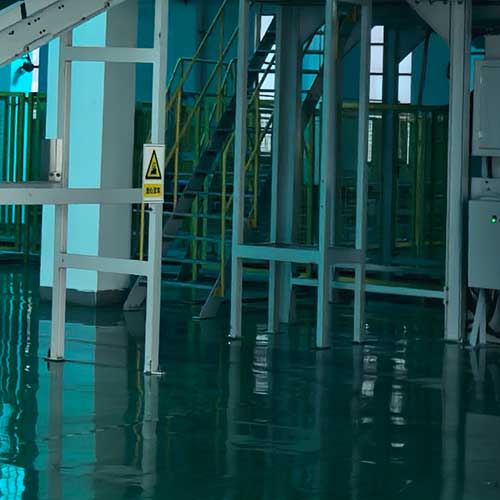
Fangyuan (Tianjin) Chemical Co., Ltd. is one of the leading caustic soda suppliers in China, specializing in high-quality sodium hydroxide flakes, pearls, solid, and liquid caustic soda. With 20 years of manufacturing experience and direct shipment from Tianjin Port, we offer stable quality and competitive wholesale prices worldwide. Contact us today for reliable chemical solutions...[ read more ]


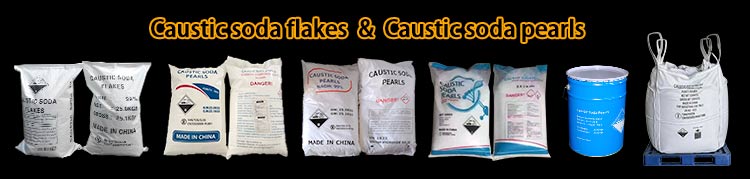
Contact person : Alice Wang
WhatsAPP/Mobile Phone:86-18622179529
E-mail: admin@fangyuan-chem.com
Add:Room 908A, Yinzuo Building, No. 35, Second Avenue, Tianjin Economic and Technological Development Area