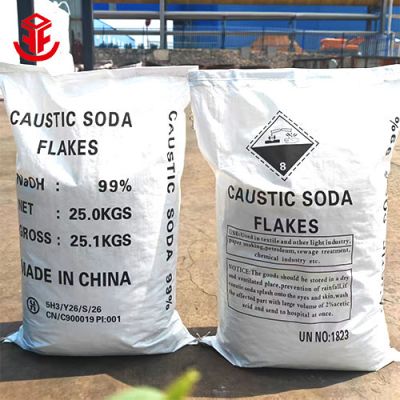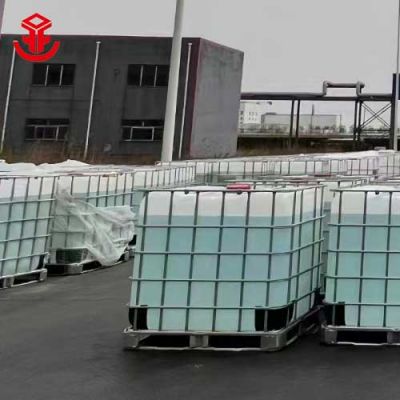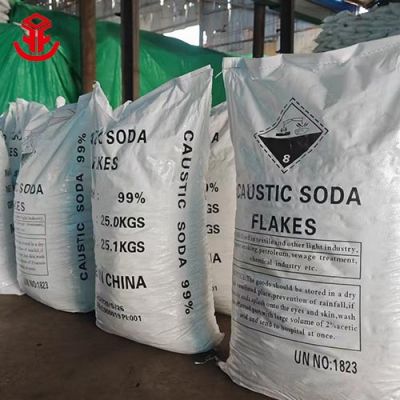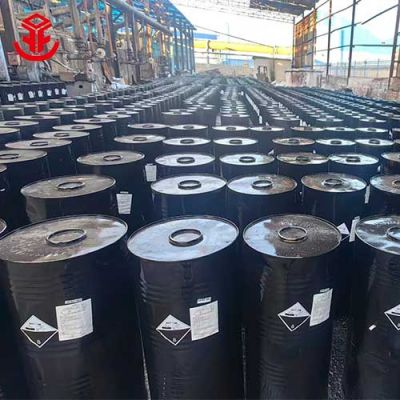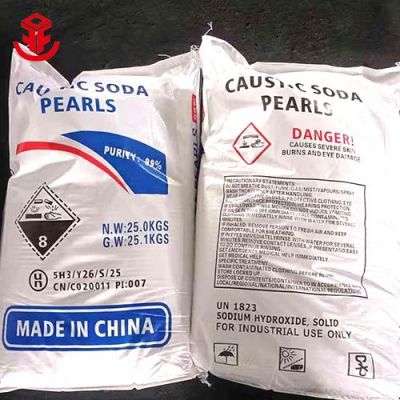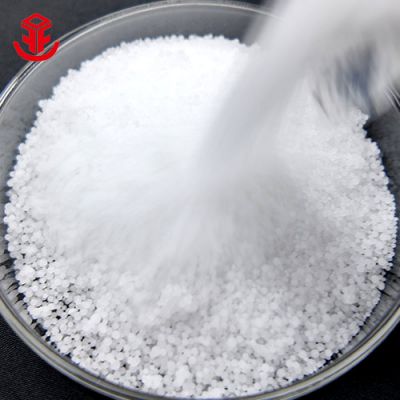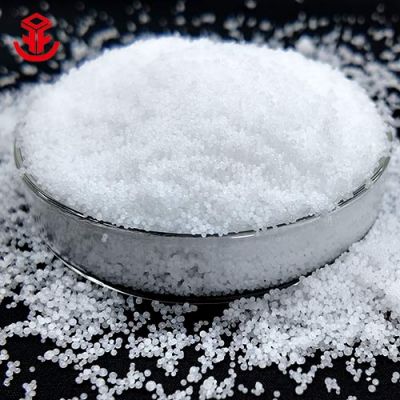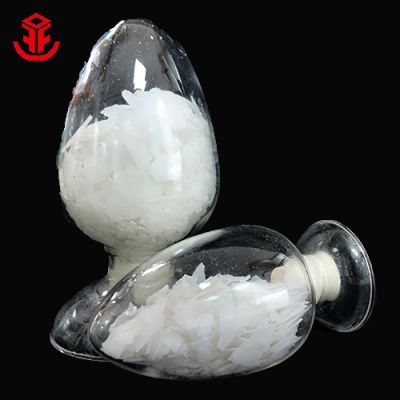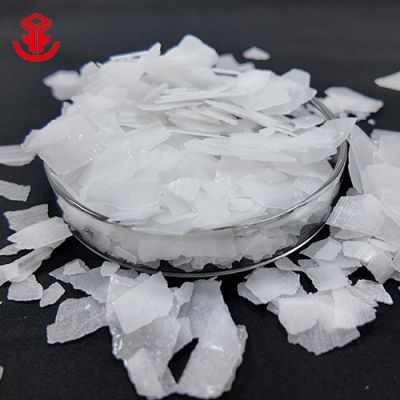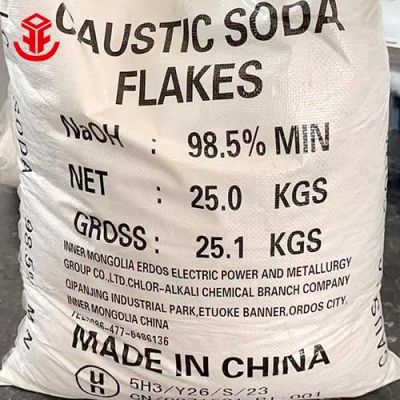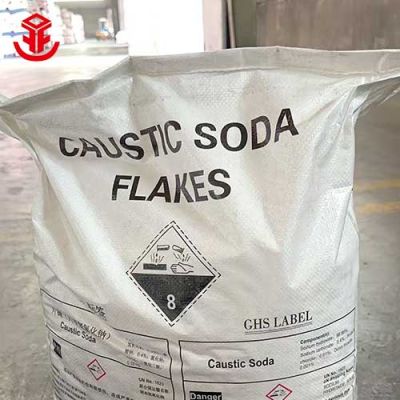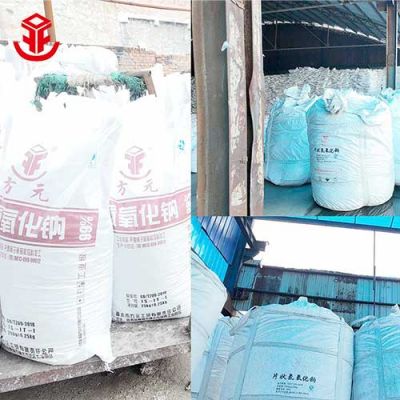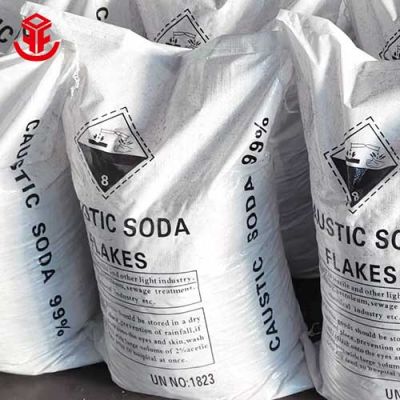
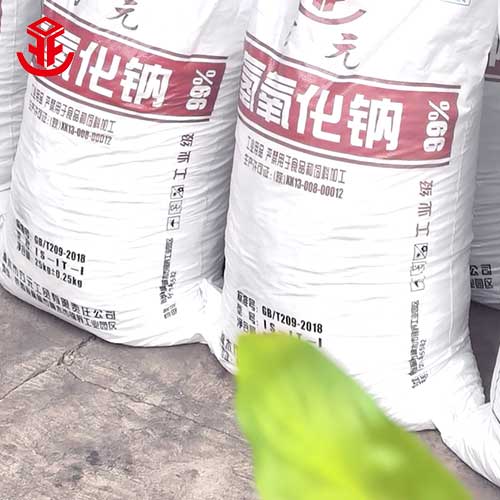
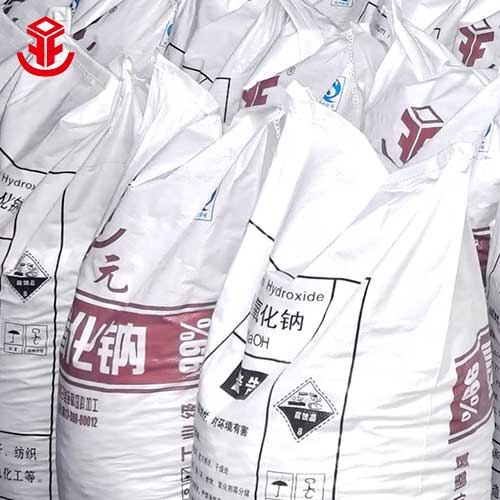
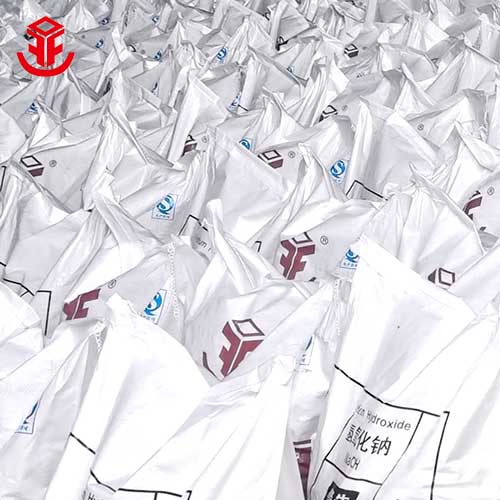
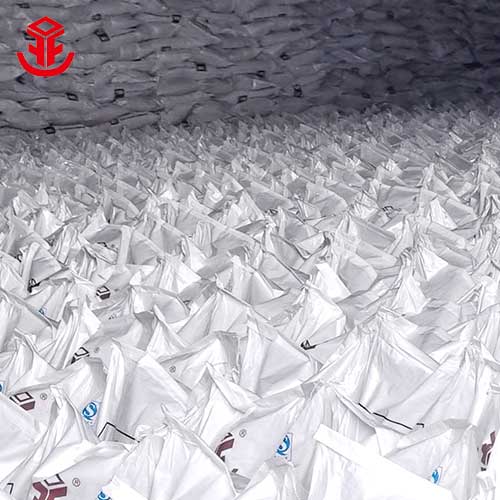
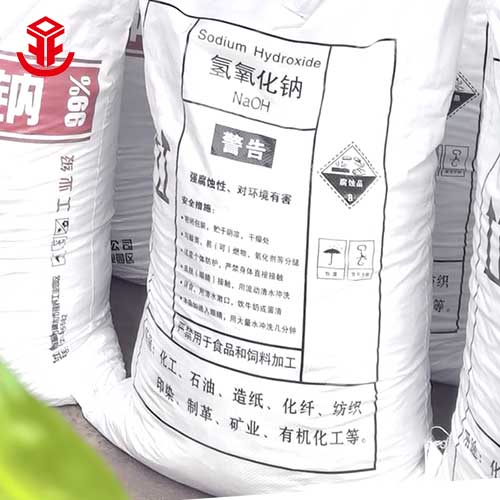
Our premium Sodium Hydroxide Chemical solution provides dependable alkalinity and rapid reactivity for demanding industrial processes. Essential for saponification, chemical synthesis, pH neutralization, and heavy-duty degreasing, this high-purity liquid formulation offers exceptional quality control across every batch. Pre-dissolved to eliminate dust hazards and long dissolution times, it integrates smoothly into automated dosing systems and bulk processing lines.
Suitable for paper manufacturing, soap making, wastewater treatment, and commercial cleaning formulations, our sodium hydroxide chemical helps facilities maintain consistent production yields while reducing overall operational overhead. Sourced through direct manufacturing, we ensure stable raw material supplies, flexible delivery options, and rigorous quality testing. Available in 25L drums, 1000L IBC totes, and bulk delivery tankers to meet your exact plant requirements.
Product Overview & Technical Performance
Engineered for high-efficiency industrial processing, our liquid sodium hydroxide (NaOH) solution provides an immediate, highly reactive source of hydroxide ions (OH-). The pre-dissolved liquid format eliminates dissolution delays, avoids dust-borne contamination, and provides uniform chemical distribution. Precise volumetric dosing prevents localized exothermic "hot-spot" reactions during mixing, significantly lowering process energy requirements and reducing thermal strain on reactor vessels.
Key Features & Technical Benefits
High Chemical Purity: Formulated to strict industrial quality controls, minimizing trace heavy metals (such as iron and chloride impurities) to prevent side-reactions, system scaling, or catalyst poisoning in sensitive processes.
Ready-to-Use Liquid Phase: Completely eliminates the manual handling, dust inhalation risks, and hazardous heat generation associated with dissolving dry flakes or pellets on-site.
Versatile Process Reagent: Delivers reliable performance across a wide spectrum of applications, including precision pH control, lipid saponification, delignification, and industrial vessel sanitation.
Bulk Supply Stability: Sourced directly from large-scale chlor-alkali production facilities to guarantee continuous product availability, batch-to-batch consistency, and robust supply chain reliability.
Recommended Applications & Dosing Guidelines
Water & Effluent Neutralization: Meter directly into acidic waste streams to neutralize pH levels and meet municipal discharge standards, or to induce heavy metal hydroxide precipitation in secondary treatment facilities.
Chemical & Soap Manufacturing: Feed directly into fat and oil matrices at calculated stoichiometric ratios to drive rapid, uniform saponification in continuous or batch soap production lines.
Equipment & Pipeline CIP Sanitation: Dilute to a 2–5% concentration (typically 1:20 to 1:50 with water depending on soil severity) for automated Clean-in-Place (CIP) cycles to strip organic residues, denatured proteins, and carbonized grease from processing equipment.
Safety Precautions, Material Compatibility & Storage
Personal Protection: Liquid sodium hydroxide is strongly alkaline, aggressive to living tissue, and capable of causing rapid chemical burns and eye injuries. Mandatory personal protective equipment (PPE) includes heavy-duty neoprene or PVC chemical gloves, chemical splash goggles combined with a full-face shield, rubber safety boots, and alkali-resistant aprons or suits. Emergency eye-wash stations and safety showers must be operational near transfer points.
Material Compatibility: Highly compatible with 304 and 316 stainless steel, nickel alloys, High-Density Polyethylene (HDPE), Polypropylene (PP), Polyvinyl Chloride (PVC), and PTFE. Strictly avoid contact with reactive metals—including aluminum, zinc, brass, copper, and tin—as exothermic reactions will generate highly flammable hydrogen gas and destroy equipment.
Storage Environment: Store in dedicated, corrosion-resistant tanks or original UN-rated containers in a cool, dry, well-ventilated chemical facility. Keep segregated from strong acids, organic chemicals, and oxidizing agents. For 50% concentration solutions, maintain storage ambient temperatures above 15°C (59°F) or utilize heat-traced containment to prevent crystallization and freezing.
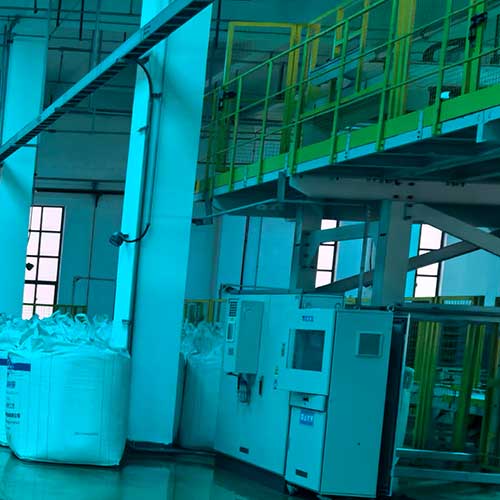
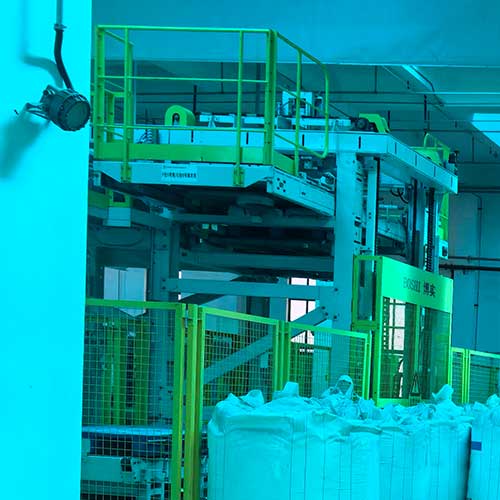
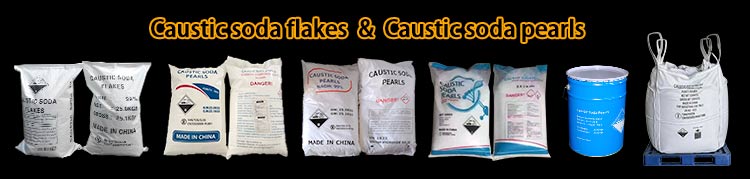
Fangyuan (Tianjin) Chemical Co., Ltd. is one of the leading caustic soda suppliers in China, specializing in high-quality sodium hydroxide flakes, pearls, solid, and liquid caustic soda. With 20 years of manufacturing experience and direct shipment from Tianjin Port, we offer stable quality and competitive wholesale prices worldwide. Contact us today for reliable chemical solutions...[ read more ]


Contact person : Alice Wang
WhatsAPP/Mobile Phone:86-18622179529
E-mail: admin@fangyuan-chem.com
Add:Room 908A, Yinzuo Building, No. 35, Second Avenue, Tianjin Economic and Technological Development Area