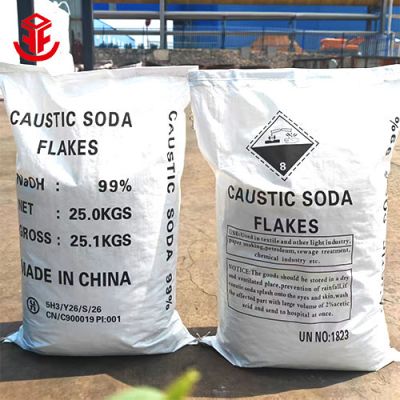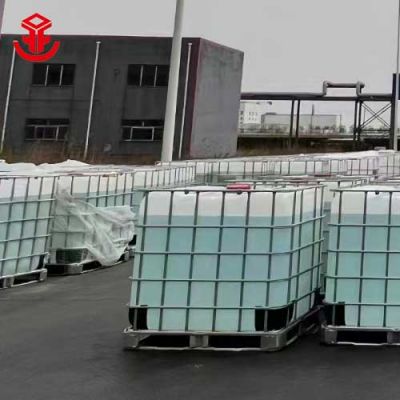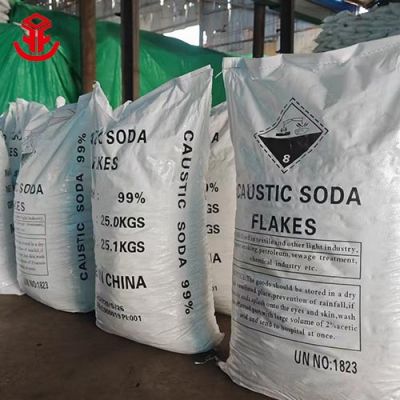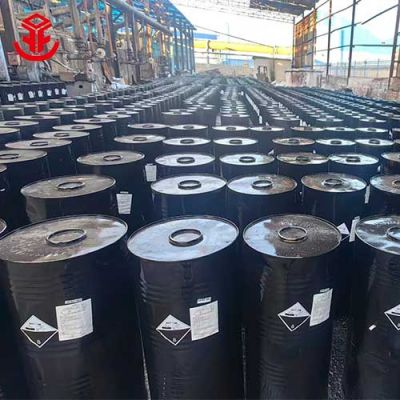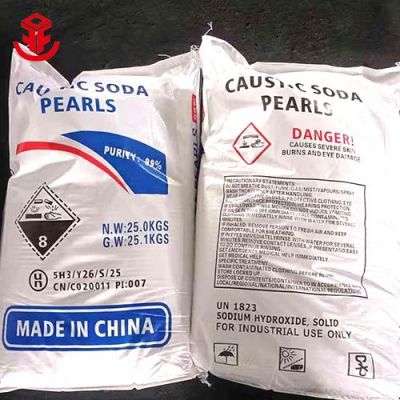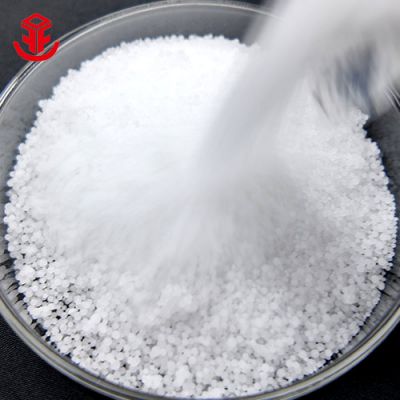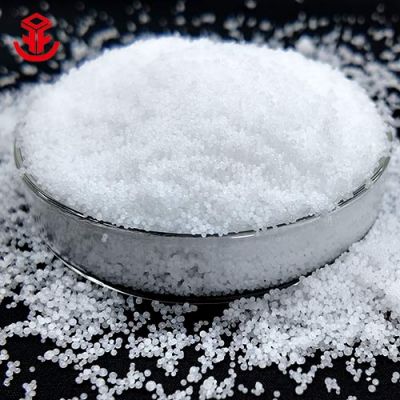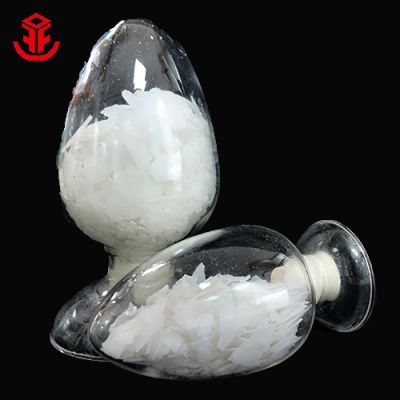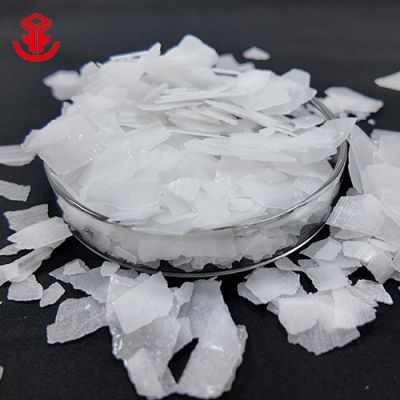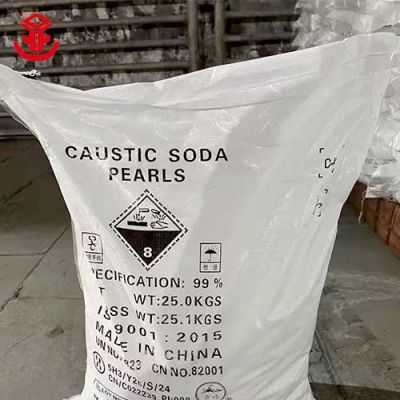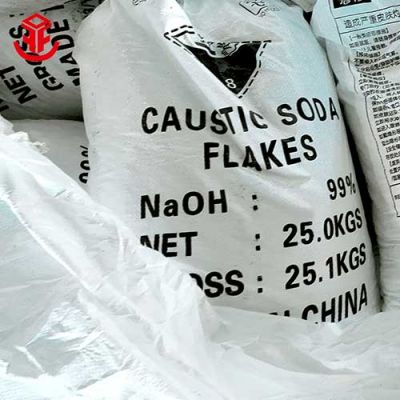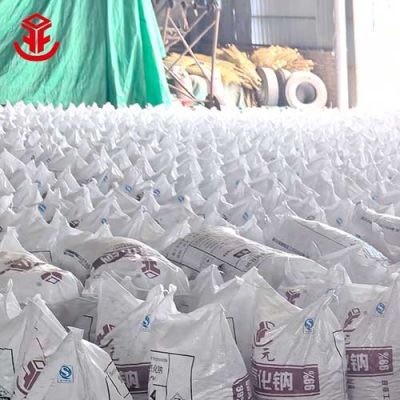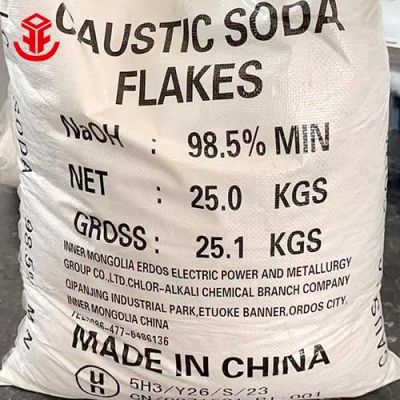
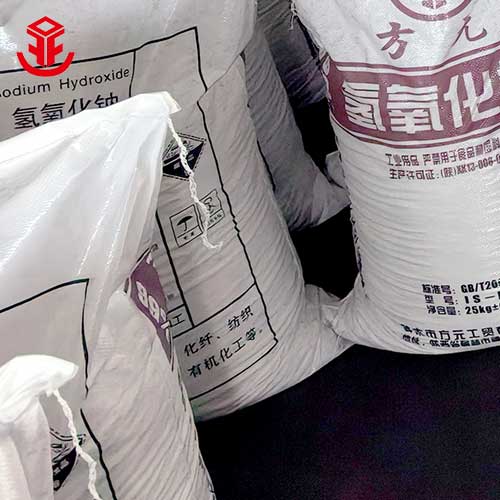
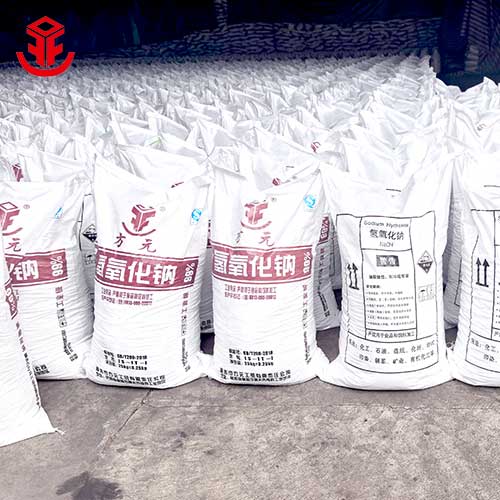
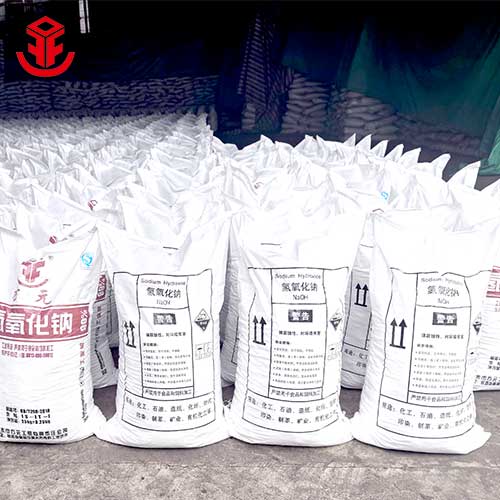
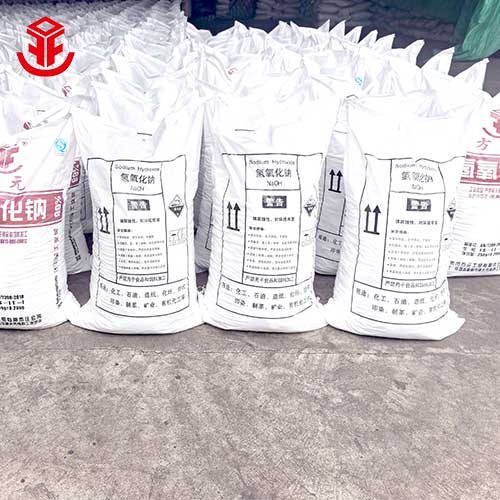
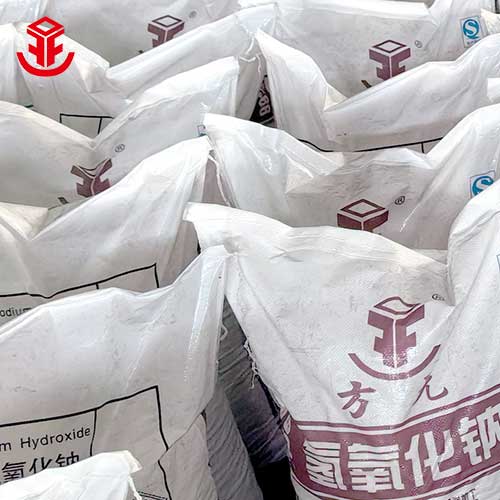
Get direct factory pricing with our competitive sodium hydroxide price per kg structure, designed specifically for wholesale buyers, industrial manufacturers, and distributors. As a leading chemical exporter, we offer pure 99% caustic soda flakes and prilled pearls at tiered bulk rates that lower unit costs across high-volume orders.
Our chemical facilities operate under strict ISO-certified quality controls, providing high solubility, minimum carbonate levels, and stable batch consistency. By eliminating unnecessary supplier markups and optimizing container shipping, we ensure transparent, factory-direct cost efficiency for every metric ton. We provide complete dangerous goods handling, custom OEM packaging, and instant FOB or CIF price quotes based on current market indices. Contact our sales desk today to request a volume-based price per kg breakdown, technical safety data, and a free sample.
Pricing Structure by Quantity & Form
| Order Tier / Format | Typical Unit Packaging | Pricing Basis (Est. per kg) | Key Advantage |
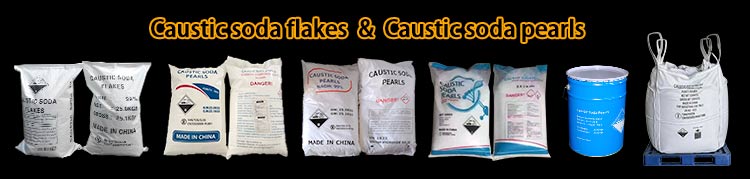
| Small Bulk / Sample | 25kg PP Bags with PE Liner | 0.75 - 0.85 / kg | Ideal for local distribution & small runs |
| Full Container (FCL) | 24 Metric Tons (960 Bags) | 0.35 - 0.55 / kg | Standard export rate for processors |
| Contract / Multi-FCL | 1,000kg Jumbo Bags / Bulk | Wholesale Contract Rate | Maximum savings for chemical manufacturing |
Factors Influencing Price per kg
Assay Purity & Chemical Grade: Higher purity grades (≥99% assay membrane-cell quality vs. lower-grade 96% industrial technical quality) command a slight price premium. This cost differential stems from the additional refining, filtration, and precision electrolytic processing steps required to minimize trace inorganic contaminants, heavy metals (Fe, Ni), and unwanted sodium carbonate (Na2CO3) buildup.
Packaging Format & Labor Requirements: The chosen packaging configuration significantly impacts unit cost per metric ton. Standard 25kg woven bags incur higher overall manufacturing, material, and bagging labor costs compared to large-scale 1-ton bulk jumbo bags (FIBCs) or direct bulk liquid tank transport, which offer superior logistical handling efficiency for high-volume consumers.
Freight, Logistics & Incoterms: Global logistics and international commercial terms (Incoterms like FOB, CFR, or CIF) play a decisive role in final landing costs. Because dry caustic soda is classified as a Dangerous Good (Class 8 Corrosive, UN 1823), shipping rates include mandatory hazardous material handling surcharges, specialized container securing fees, and fluctuating ocean freight tariffs during peak export seasons.
Raw Material & Energy Input Volatility: Industrial chlor-alkali production is an extremely energy-intensive electrochemical process (electrolysis of brine). Consequently, global electricity rates, local natural gas prices, and raw industrial salt availability directly influence baseline manufacturing expenses and seasonal price fluctuations.
Primary Industrial Uses
Soap & Detergent Manufacturing: Serves as the fundamental, cost-effective alkali base chemical for large-scale saponification reactions. It chemically converts natural fats, tallow, and vegetable oils into high-grade commercial bar soaps, liquid detergents, industrial degreasers, and specialized surface cleaning agents.
Water & Waste Treatment: Preferred primary alkali agent across municipal water treatment plants and industrial effluent remediation facilities. It provides rapid, reliable pH neutralization for acidic process streams while effectively precipitating toxic heavy metal ions (Fe3+, Cu2+, Pb2+, Zn2+) for easy filtration, settling, and environmental discharge compliance.
Pulp & Paper Processing: An essential chemical reagent in the Kraft pulping process, where it acts as a primary cooking chemical to digest raw wood chips, dissolve unwanted lignin binders, and bleach paper pulp to achieve high tensile strength and brightness.
Textile Processing & Mercerization: Used extensively in natural and synthetic fiber processing, specifically during cotton mercerization, scouring, and dye bath preparation. It swells natural cotton fibers to significantly enhance fabric tensile strength, surface luster, dimensional stability, and dye absorption capacity.
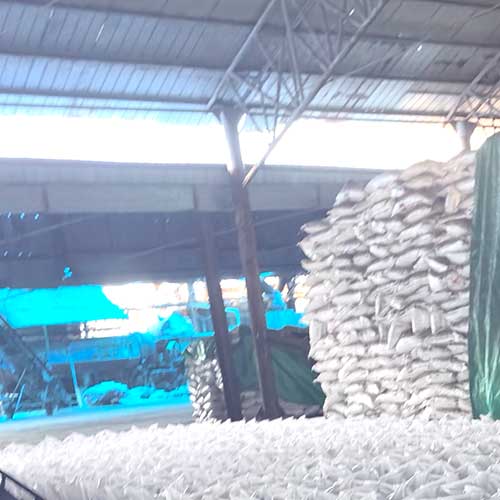
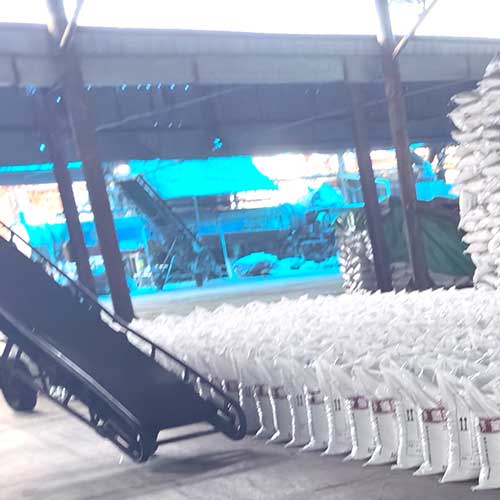
Fangyuan (Tianjin) Chemical Co., Ltd. is one of the leading caustic soda suppliers in China, specializing in high-quality sodium hydroxide flakes, pearls, solid, and liquid caustic soda. With 20 years of manufacturing experience and direct shipment from Tianjin Port, we offer stable quality and competitive wholesale prices worldwide. Contact us today for reliable chemical solutions...[ read more ]


Contact person : Alice Wang
WhatsAPP/Mobile Phone:86-18622179529
E-mail: admin@fangyuan-chem.com
Add:Room 908A, Yinzuo Building, No. 35, Second Avenue, Tianjin Economic and Technological Development Area