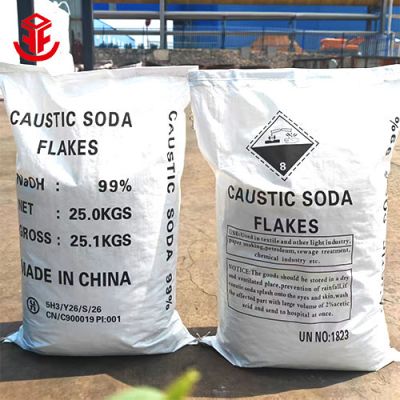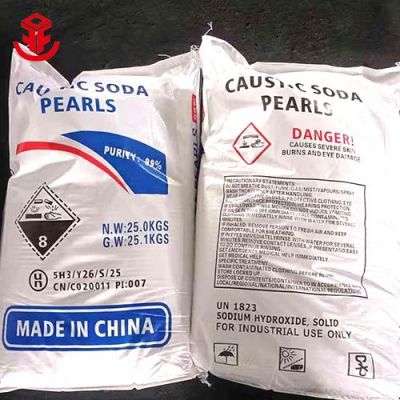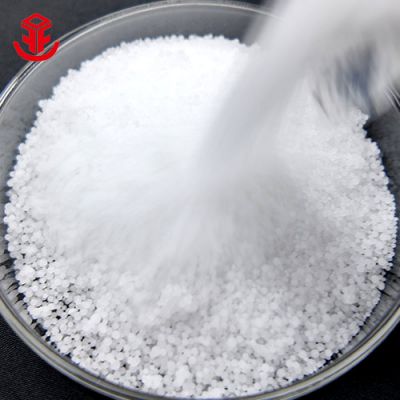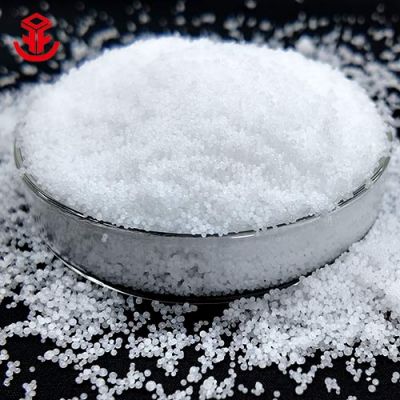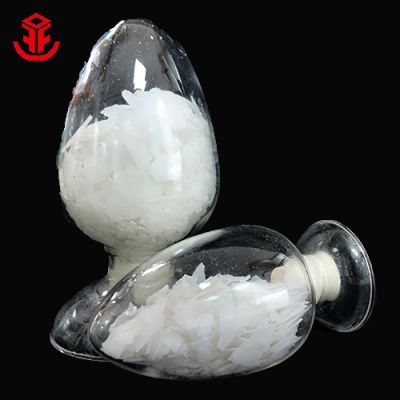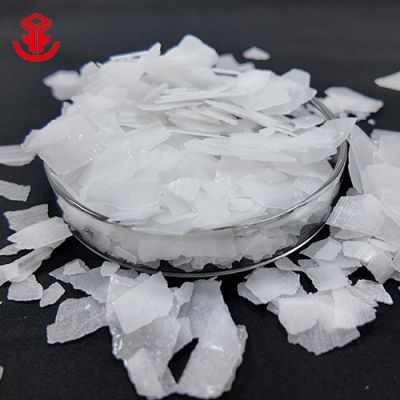
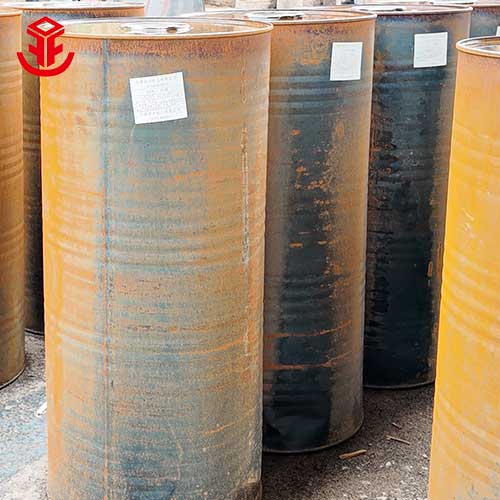
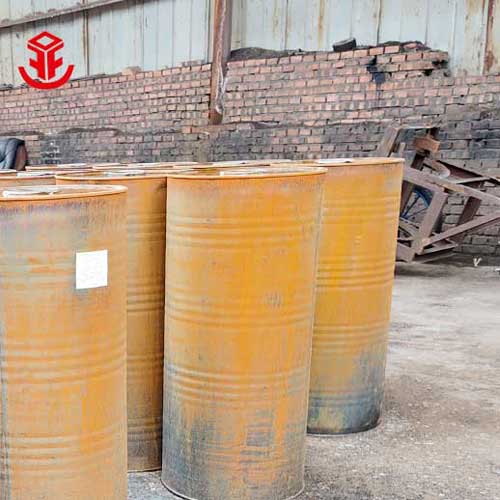
UN1823 Sodium Hydroxide Solid 99% is a premium industrial-grade chemical, widely recognized for its strong alkalinity, high reactivity, and exceptional purity. As a fully certified Class 8 dangerous good under UN 1823 regulations, our solid sodium hydroxide (available in flakes, pearls, and solid blocks) meets strict international quality and safety standards.
It serves as a critical raw material in key industries, including soap and detergent manufacturing, alumina refining, textile processing, paper and pulp production, and industrial water treatment. Produced with advanced membrane technology, our caustic soda solid features high solubility, minimal impurities, and excellent chemical stability. All shipments are packaged in UN-approved moisture-proof packaging to ensure maximum safety during transport and long-term storage.
| Parameter / Item | Specification (Industrial Grade) |
| Chemical Formula | NaOH |
| Purity (NaOH Assay) | ≥99.0% |
| Sodium Carbonate (Na2CO3) | ≤0.5% |
| Sodium Chloride (NaCl) | ≤0.03% |
| Iron (Fe2O3) | ≤0.005% |
| Appearance | White solid (Flakes / Pearls / Solid Drum) |
| HS Code | 2815.11.0000 |
| UN Number | UN 1823 |
| Hazard Class | Class 8 (Corrosive) |
High-purity solid Sodium Hydroxide (NaOH), produced via advanced membrane electrolysis technology, is a foundational alkaline reagent engineered to deliver peak chemical performance across high-precision and heavy industrial manufacturing.
High Chemical Purity Standards: Manufactured using modern membrane cell electrolysis, achieving an active purity level of up to 99%. This process ensures exceptionally low trace iron (Fe), sodium chloride (NaCl), and heavy metal impurities, preventing unintended side reactions in delicate synthesis pathways.
Rapid Solubility & High Reactivity: Exhibits excellent water solubility, dissolving rapidly to generate substantial exothermic heat and form a strongly basic solution for immediate industrial processing.
Full UN 1823 Regulatory Compliance: Certified under UN 1823 dangerous goods specifications, adhering strictly to International Maritime Dangerous Goods (IMDG) and International Air Transport Association (IATA) codes.
Moisture-Proof Packaging Protection: Packed in heavy-duty, UN-approved moisture-barrier packaging to prevent atmospheric carbon dioxide absorption (CO2) and deliquescence during extended maritime transit.
Water Treatment & pH Regulation: Serves as a primary base for rapid pH neutralization of acidic industrial effluent, municipal water treatment, and heavy metal ion precipitation.
Soaps & Detergents Manufacturing: Functions as the indispensable saponification agent, converting triglycerides into hard soap bars, commercial surfactants, and heavy-duty degreasers.
Textile & Dyeing Operations: Essential for cotton fabric mercerization, raw fiber scouring, and synthetic textile processing to improve tensile strength and dye receptivity.
Pulp & Paper Processing: Facilitates wood chip delignification during the Kraft pulping process, pulp bleaching, and fiber de-inking in recycling mills.
Chemical Synthesis & Metallurgical Refining: Acts as a vital chemical building block for manufacturing sodium salts, polycarbonates, organic intermediates, and extracting alumina from bauxite via the Bayer process.
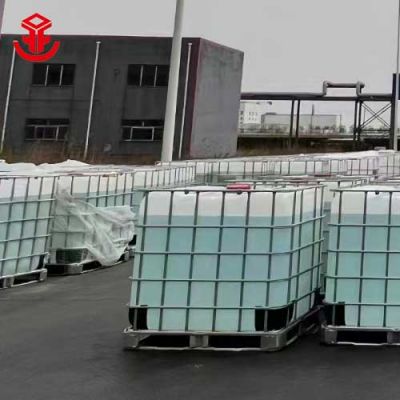
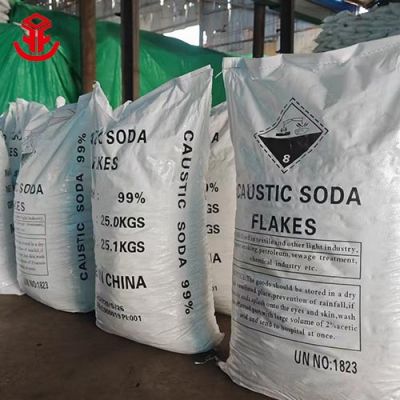
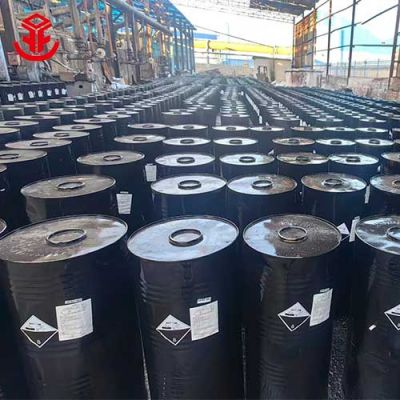
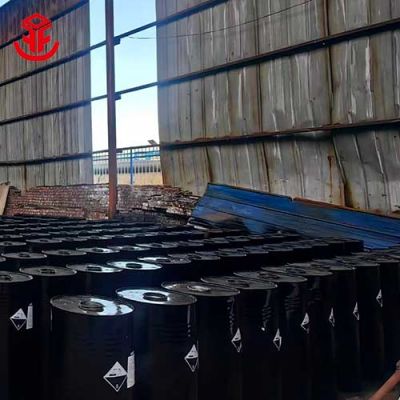
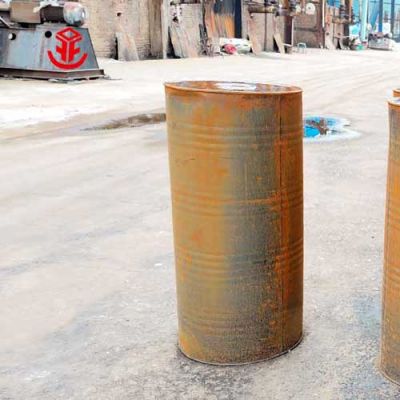
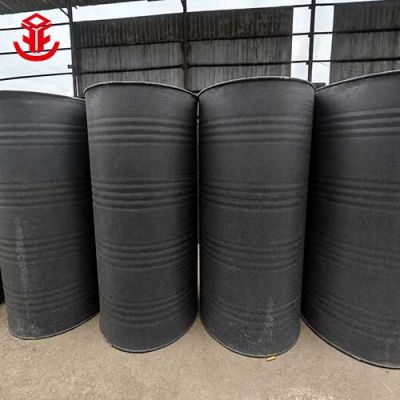
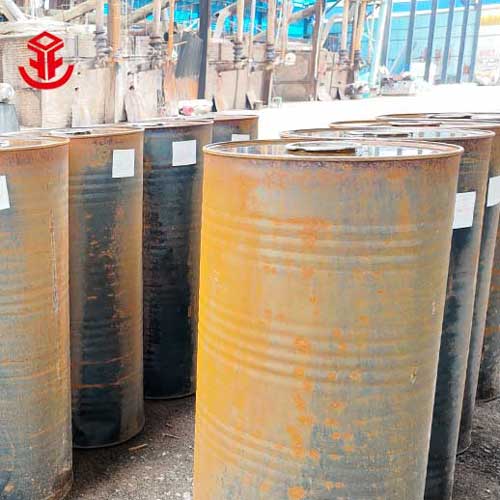
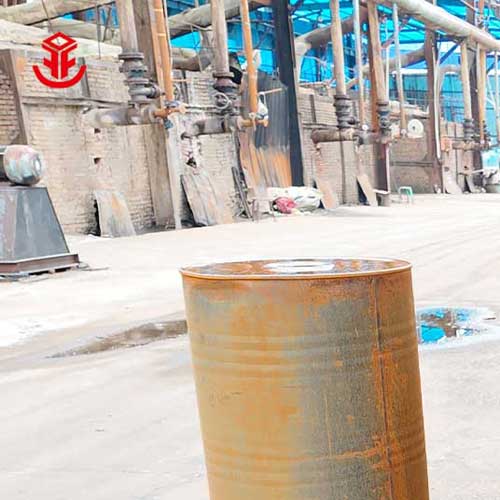
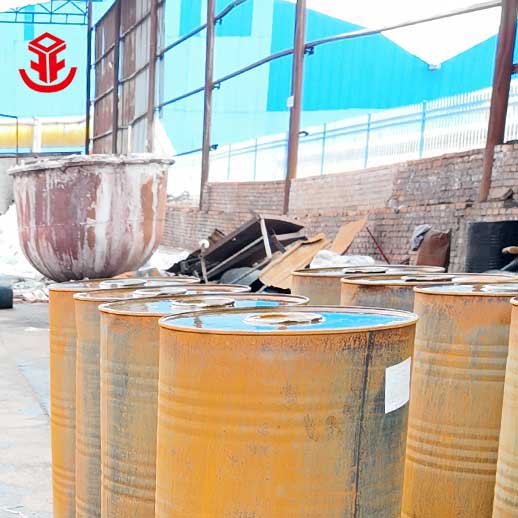
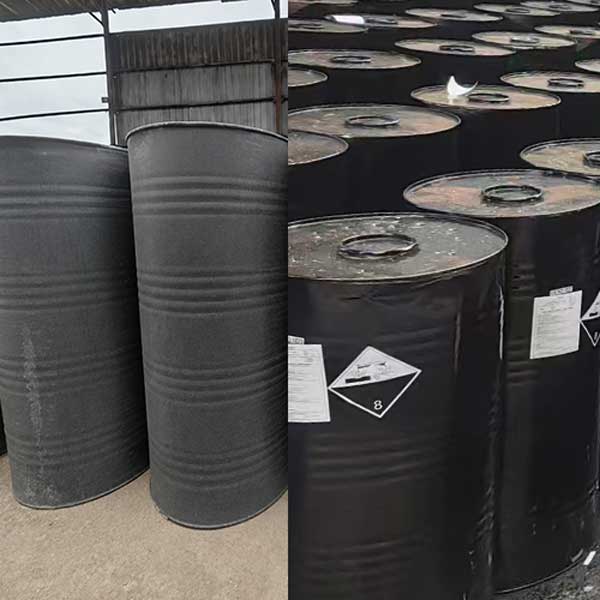
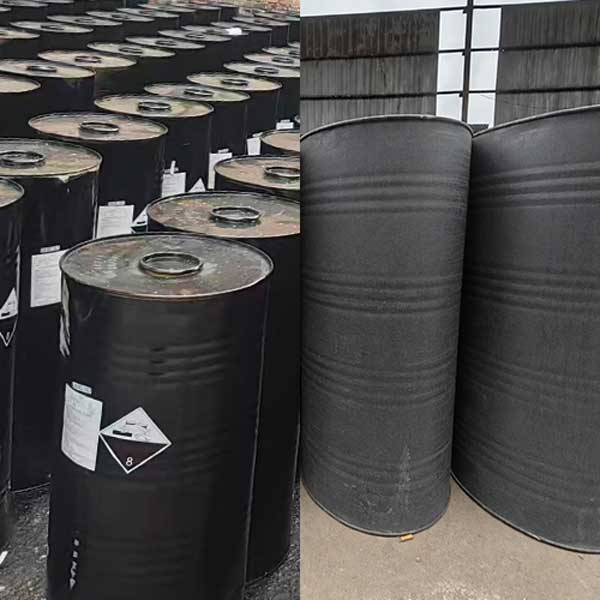
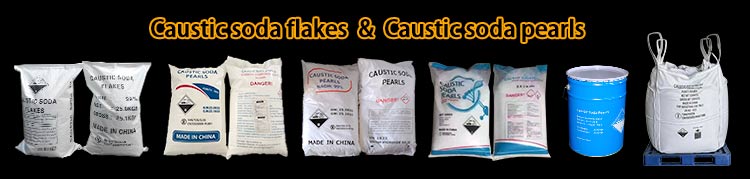
Standard Packaging Options: Supplied in heavy-duty 25kg PP/PE woven bags fitted with thick inner polyethylene (PE) liners, or durable 200kg UN-certified steel drums.
Palletizing Standards: Loaded at 1.0 to 1.2 metric tons per wooden/plastic pallet, fully secured with UV-resistant stretch wrapping for maximum stability.
Transport Classification: Shipped as a Class 8 Corrosive Solid (UN 1823), fully backed by complete Safety Data Sheets (SDS) and Dangerous Goods (DG) shipping certificates.
Storage Environment: Store in a cool, dry, well-ventilated warehouse facility isolated from strong acids, moisture, and reactive light metals (such as aluminum, zinc, and tin).
Atmospheric Protection: Maintain tightly sealed packaging at all times; solid NaOH is highly hygroscopic and rapidly absorbs atmospheric moisture and carbon dioxide (CO2), leading to surface caking.
Personal Protective Equipment (PPE): Due to its strongly corrosive nature, operators must wear complete safety gear, including chemical splash goggles, full face shields, heavy-duty rubber/nitrile gloves, and chemical-resistant protective clothing.
Fangyuan (Tianjin) Chemical Co., Ltd. is one of the leading caustic soda suppliers in China, specializing in high-quality sodium hydroxide flakes, pearls, solid, and liquid caustic soda. With 20 years of manufacturing experience and direct shipment from Tianjin Port, we offer stable quality and competitive wholesale prices worldwide. Contact us today for reliable chemical solutions...[ read more ]


Contact person : Alice Wang
WhatsAPP/Mobile Phone:86-18622179529
E-mail: admin@fangyuan-chem.com
Add:Room 908A, Yinzuo Building, No. 35, Second Avenue, Tianjin Economic and Technological Development Area