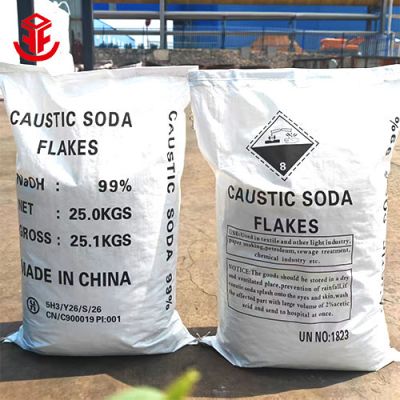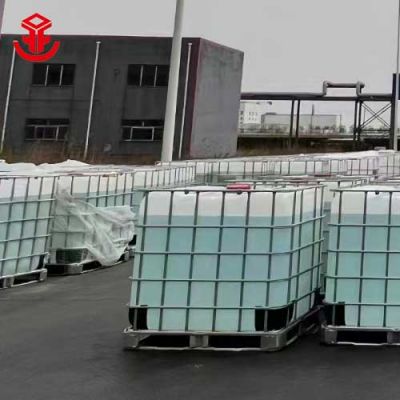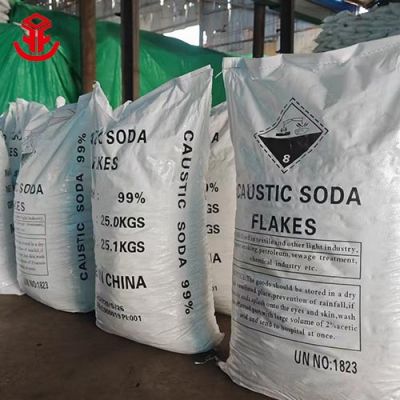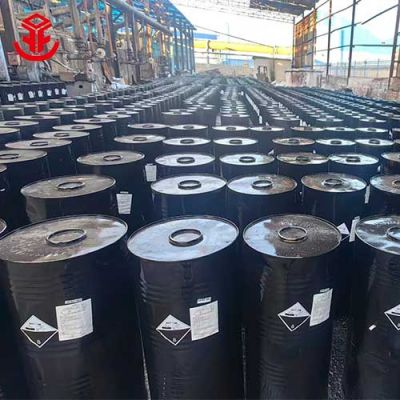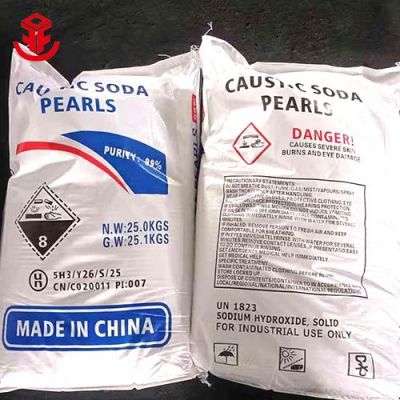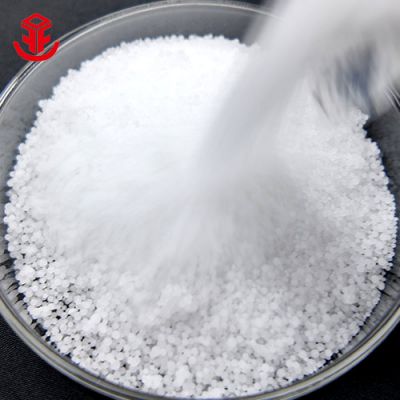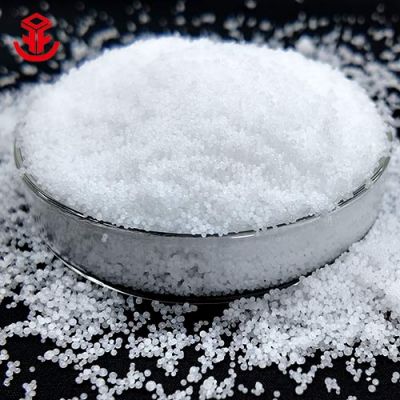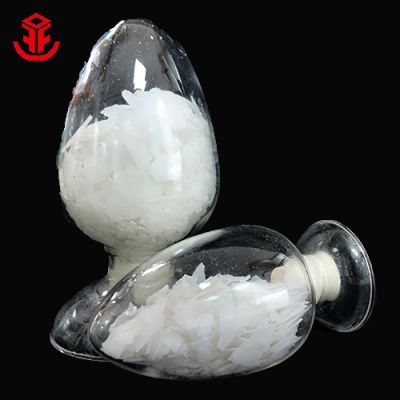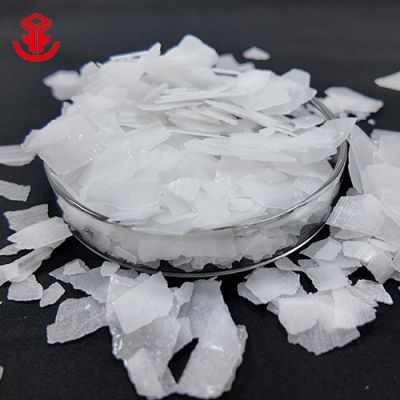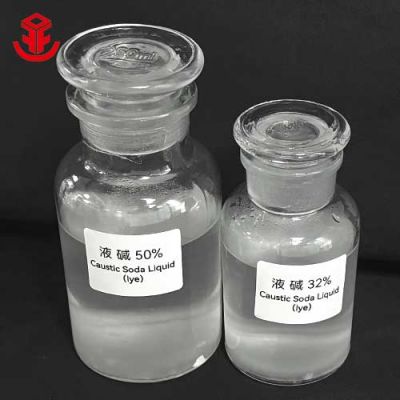
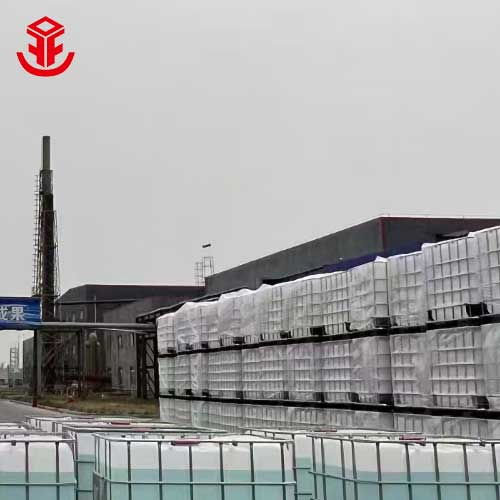
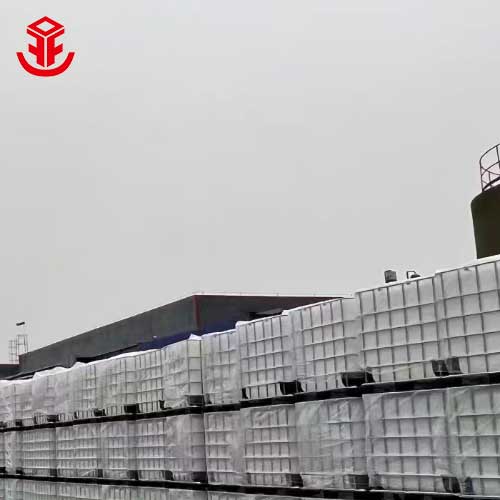
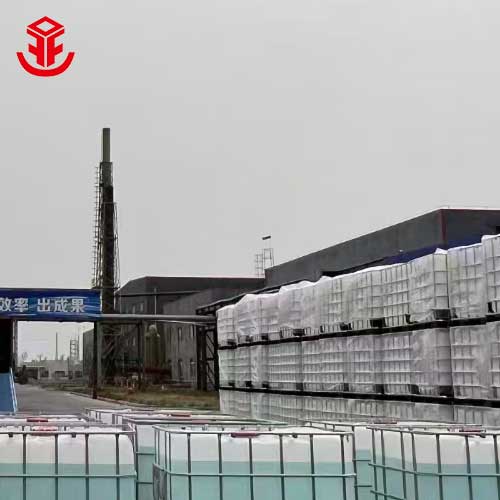
Optimizing the use of caustic soda in liquid soap production requires high-purity ingredients. We supply premium Liquid Caustic Soda (NaOH Solution) in standard 32% and 50% concentrations, specifically processed for commercial soap making and saponification. Manufactured via advanced membrane cell technology, our liquid lye guarantees minimal iron and heavy metal impurities, ensuring crystal-clear soap bases and stable formulations.
Pre-dissolved for immediate liquid dosing, our caustic soda liquid eliminates dry chemical dust hazards and the dangerous heat-of-dissolution step associated with lye flakes. Whether you are crafting specialized dual-alkali liquid soaps, high-viscosity body washes, or heavy-duty industrial cleansers, our liquid sodium hydroxide delivers consistent saponification values and superior batch repeatability.
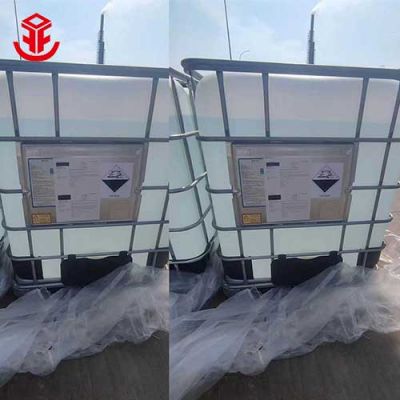
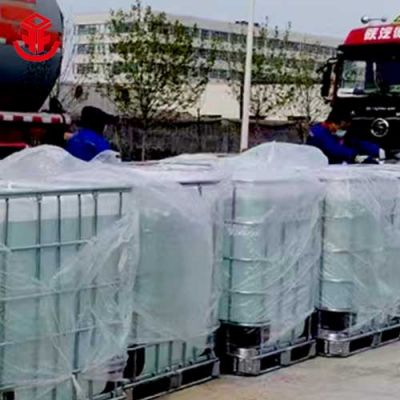
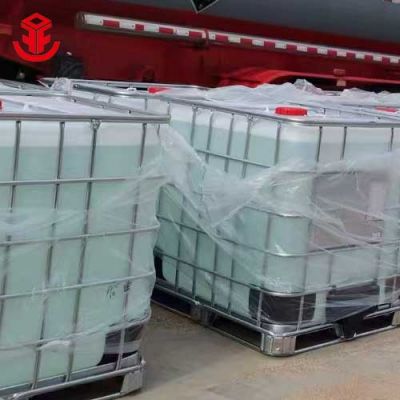
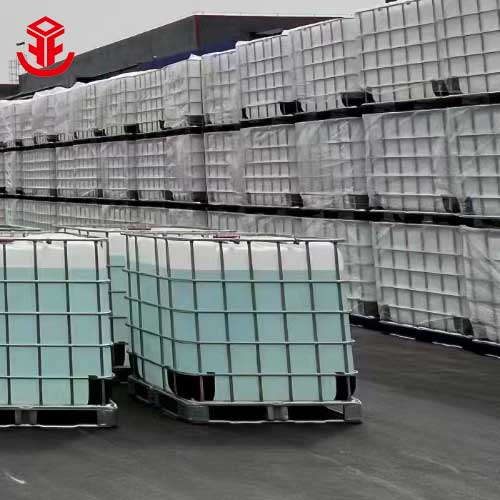
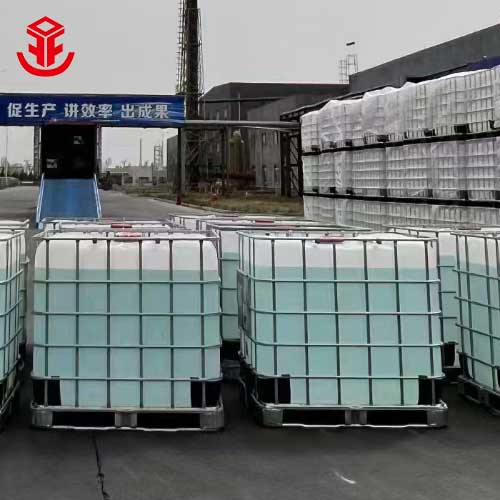
Supplied in HDPE bottles, 1000L IBC totes, and bulk drums. Contact us today for technical support, COA, and custom pricing.
| Specification Item | Standard Grade (Liquid Lye) | Soap-Grade High Purity |
| Active NaOH Content | 32.0% or 50.0% | 32.0% or 50.0% |
| Sodium Carbonate (Na2CO3) | ≤0.08% | ≤0.03% |
| Iron (Fe) | ≤10 ppm | ≤3 ppm |
| Heavy Metals (Pb) | ≤5 ppm | Trace / Undetectable |
| Appearance | Clear, colorless liquid | Clear, crystal-clear liquid |
| CAS Number | 1310-73-2 | 1310-73-2 |
| UN Dangerous Goods | UN 1824, Class 8 | UN 1824, Class 8 |
Roles, Benefits & Technical Guidelines for Liquid NaOH in Soap Making
Liquid Sodium Hydroxide (NaOH solution), commonly referred to as liquid lye, serves as the fundamental alkaline catalyst in saponification—the chemical reaction that hydrolyzes triglycerides in fats and oils to produce soap and glycerol. Utilizing pre-dissolved liquid lye offers key operational advantages over solid flakes:
Processing Efficiency & Safety: Eliminates the hazardous, highly exothermic dissolving step, preventing toxic vapor emissions and thermal splatter while cutting batch preparation time.
Batch Consistency: High-purity, standardized concentrations ensure precise stoichiometry, preventing excess alkali or unreacted fats for predictable hardness, lather, and mildness.
Technical Guidelines: Solutions (typically 30–50% concentration) must be stored in alkali-resistant containers (HDPE or specialized steel) at controlled temperatures to prevent crystallization. Soap makers must accurately account for the existing water content in the liquid solution when calculating overall batch moisture formulations.
Dual-Alkali Formulations: Combining liquid NaOH with Potassium Hydroxide (KOH) in specialty liquid soap and cream soap recipes yields a thicker texture, richer lather stability, and improved viscosity control without relying heavily on synthetic thickeners or polymer additives.
Instant Saponification Kinetics: The pre-dissolved liquid form reacts immediately upon contact with fatty acids and triglycerides (such as tallow, coconut oil, or olive oil), accelerating trace formation and reducing overall batch mixing times.
Safer Workplace Handling & Air Quality: Eliminates the severe health hazard of inhaling airborne caustic dust during dissolving. It also avoids the violent exothermic heat spikes and steam vapor emissions caused by manually dissolving solid NaOH flakes in water.
Superior Batch Consistency & Stoichiometry: Accurate liquid concentrations ensure precise stoichiometric ratios, eliminating the risk of unreacted free fatty oils (resulting in soft or rancid soap) or excess free alkali (resulting in harsh, skin-irritating products).
Storage Container Compatibility: Store in high-density polyethylene (HDPE), polypropylene (PP), 304/316 stainless steel, or rubber-lined tanks. Avoid contact with aluminum, zinc, or galvanized metals to prevent hydrogen gas (H2) generation.
Atmospheric Protection: Keep containers hermetically sealed to prevent the solution from absorbing atmospheric carbon dioxide (CO2), which reacts with the active lye to form unwanted sodium carbonate (Na2CO3) precipitates:
Personal Safety & PPE: As a Class 8 strongly corrosive liquid, operators must wear complete protective gear—including alkali-resistant nitrile/PVC gloves, full face shields, safety splash goggles, and chemical-resistant aprons—during all transfer, sampling, and mixing operations. Keep emergency eyewash stations readily accessible near handling zones.
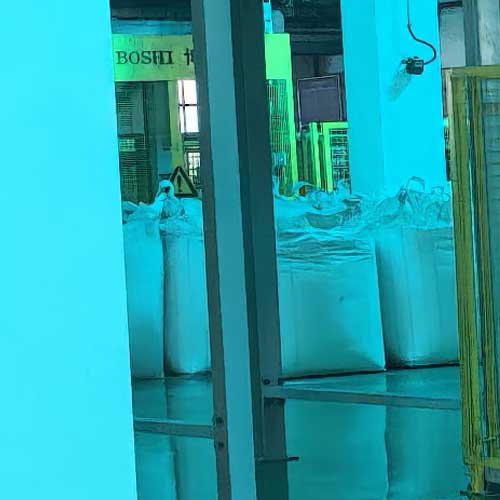
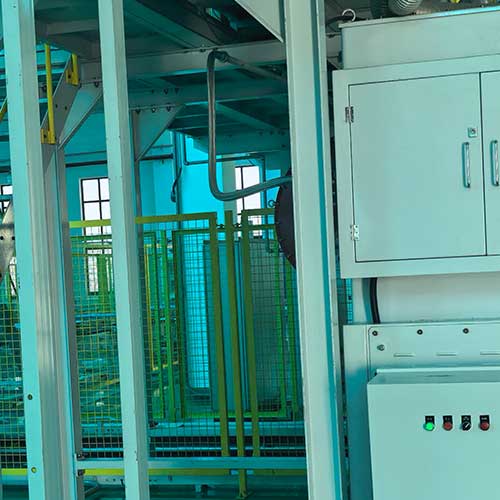
Fangyuan (Tianjin) Chemical Co., Ltd. is one of the leading caustic soda suppliers in China, specializing in high-quality sodium hydroxide flakes, pearls, solid, and liquid caustic soda. With 20 years of manufacturing experience and direct shipment from Tianjin Port, we offer stable quality and competitive wholesale prices worldwide. Contact us today for reliable chemical solutions...[ read more ]


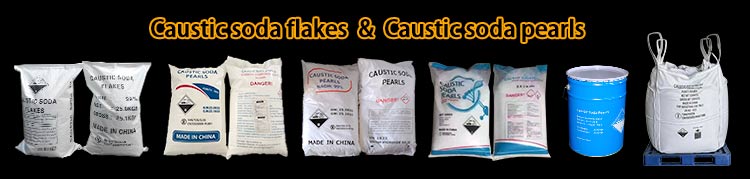
Contact person : Alice Wang
WhatsAPP/Mobile Phone:86-18622179529
E-mail: admin@fangyuan-chem.com
Add:Room 908A, Yinzuo Building, No. 35, Second Avenue, Tianjin Economic and Technological Development Area