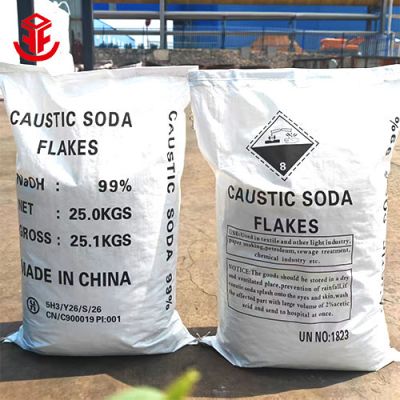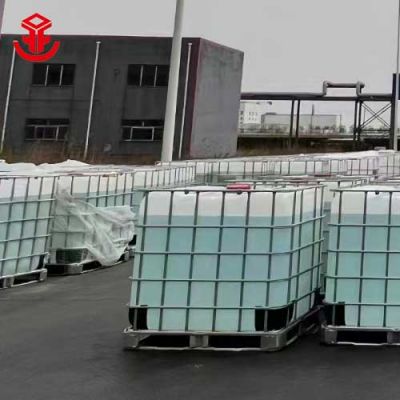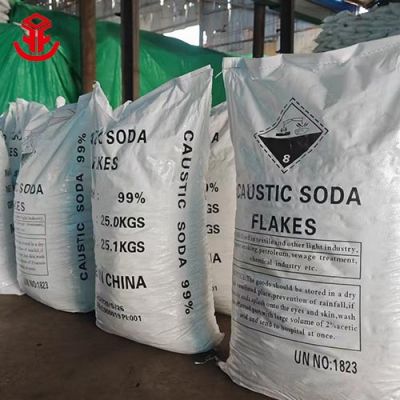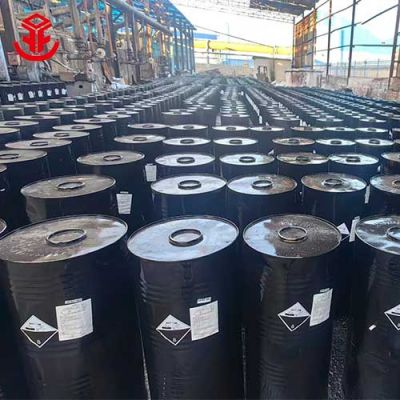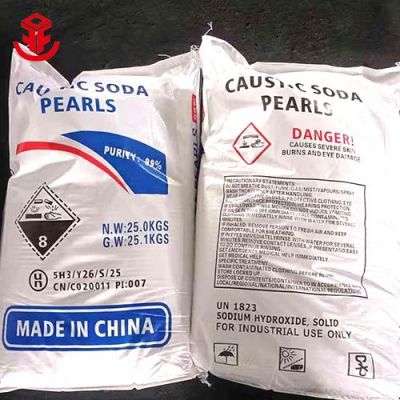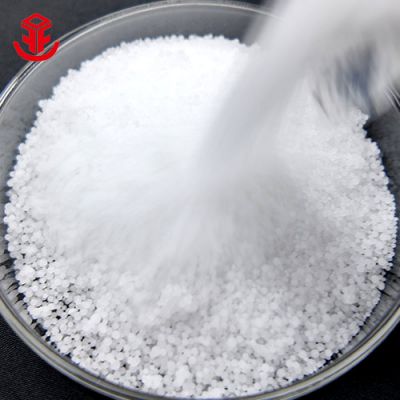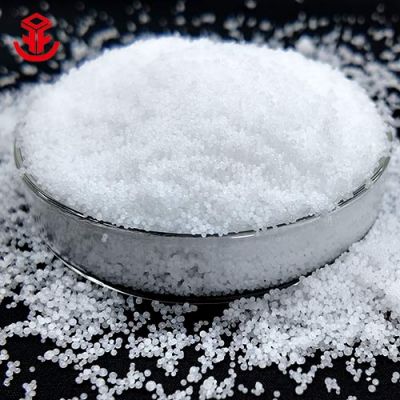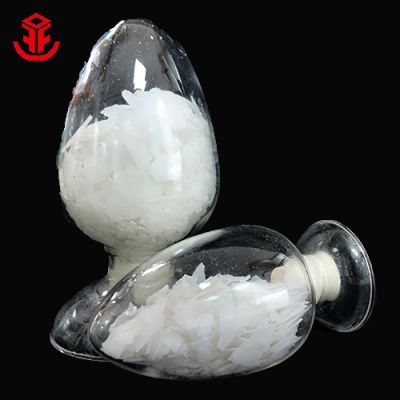
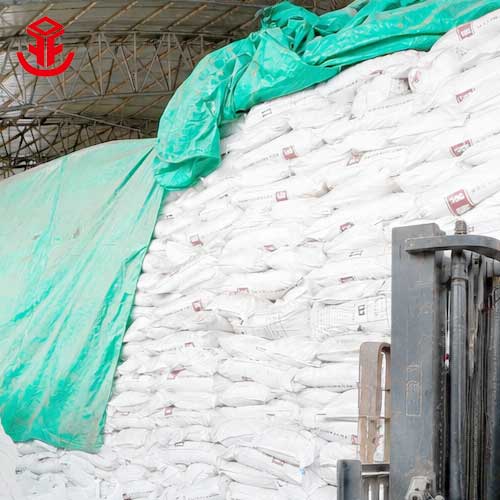
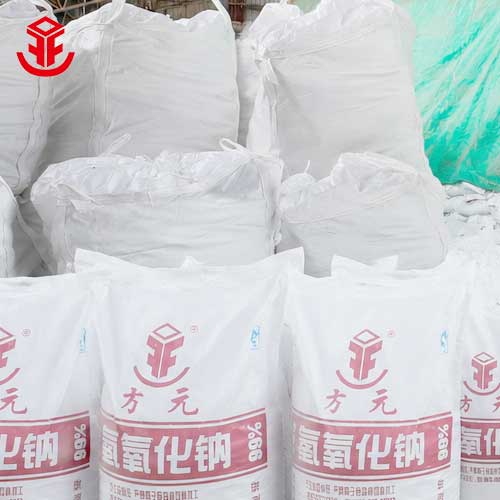
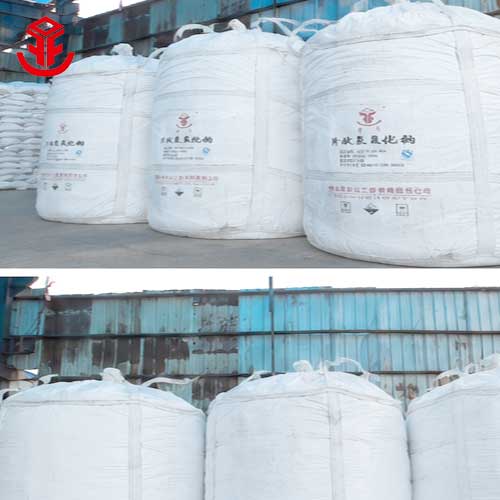
Discover the extensive use of NaOH (Sodium Hydroxide) across global manufacturing and chemical industries. As one of the most essential strong bases in chemistry, our high-purity Sodium Hydroxide ( ≥99%) provides consistent chemical reactivity, rapid dissolution, and uncompromised quality for diverse industrial processing.
The widespread use of NaOH spans vital sector applications: from pH control and acid neutralization in municipal wastewater treatment to saponification reactions in commercial soap and detergent production. It plays a key role in wood pulping within the pulp and paper industry, mercerization in textiles, and alumina extraction in metallurgy.
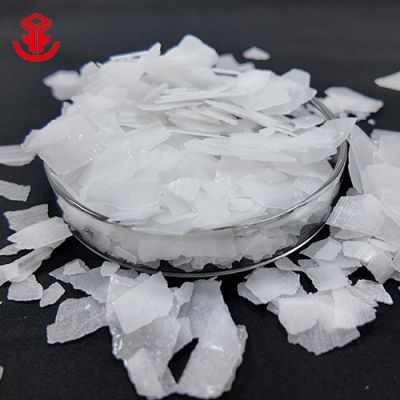
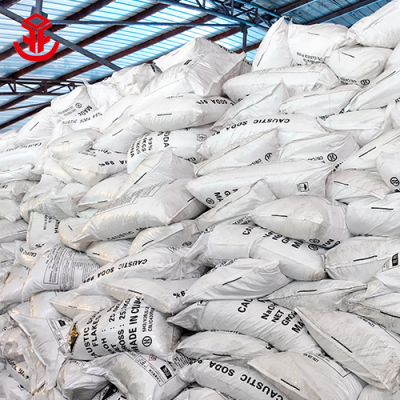
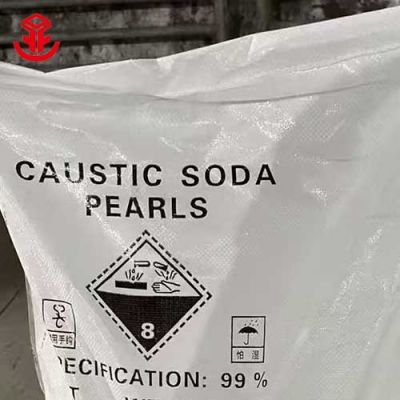
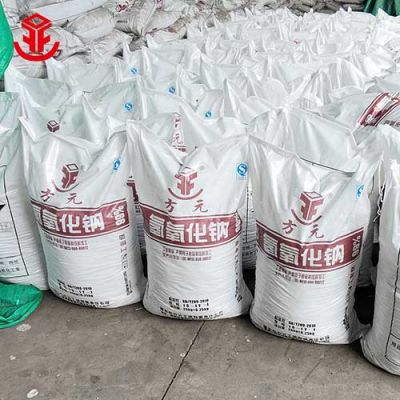
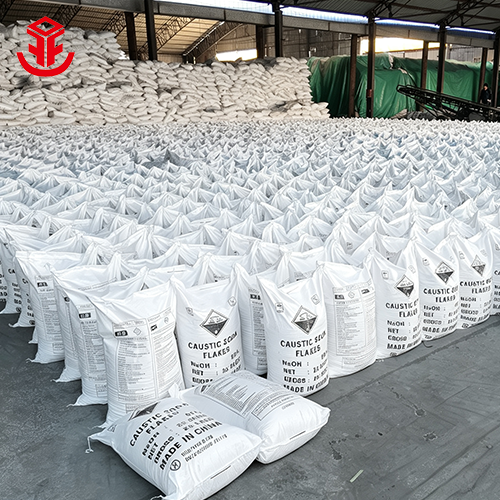
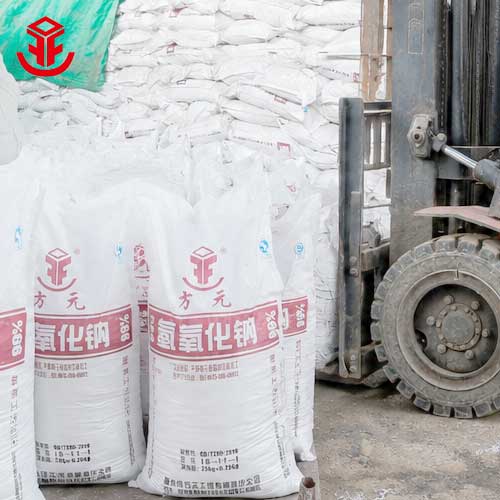
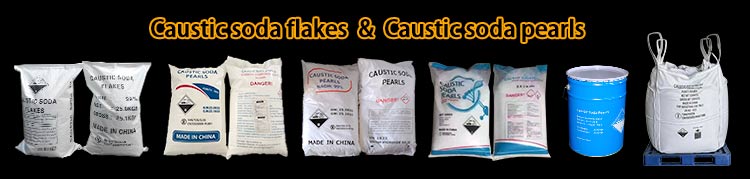
Manufactured under rigorous ISO quality control standards, our Sodium Hydroxide (Flakes and Pearls) delivers exceptional purity with ultra-low iron and carbonate levels, protecting your equipment and optimizing reaction yields. We offer hazardous-material compliant packaging (25kg bags, jumbo sacks) with flexible bulk logistics.
Contact us today to learn more about the best use of NaOH for your specific production line, request technical data sheets (TDS/SDS), or get a competitive factory quote!
Sodium Hydroxide (NaOH), commercially recognized as caustic soda or lye, stands as an indispensable, high-purity alkaline reagent and a cornerstone building-block chemical across the global manufacturing landscape. As a strong inorganic base, high-purity NaOH exhibits exceptional reactivity, excellent solubility in water, and predictable stoichiometric performance, making it a critical input for complex synthesis and large-scale industrial chemical processes.
Achieving optimal application of high-purity NaOH is essential for modern chemical processing facilities. Precise utilization directly drives process efficiency by accelerating reaction kinetics, maximizing product yields, and eliminating unwanted side-reaction byproducts caused by chemical impurities. Furthermore, utilizing standardized, high-purity caustic soda enables accurate volumetric dosing, which optimizes overall production operational costs and minimizes chemical waste in continuous-flow operations.
Safety and material compatibility remain paramount when integrating NaOH into industrial workflows. Because caustic soda is strongly corrosive and generates intense exothermic heat upon hydration, understanding its chemical behavior under varying temperatures and concentrations is vital for mitigating operational hazards.
Across manufacturing sectors—from chemical synthesis and water treatment to energy production—securing a consistent supply of high-purity NaOH ensures strict compliance with environmental discharge regulations, protects high-value industrial equipment from scaling and corrosion, and maintains uncompromised quality standards in end-use commercial products worldwide
| Specification Parameter | Details / Standard Value |
| Product Name | Sodium Hydroxide (NaOH) |
| Purity Assay | Industrial Grade ≥99.0% |
| Sodium Carbonate (Na2CO3) | ≤0.5% |
| Sodium Chloride (NaCl) | ≤0.03% |
| Iron (Fe) | ≤0.001% |
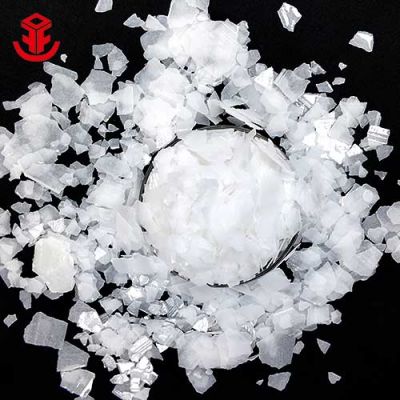
| Appearance | White Odorless Flakes / Spherical Pearls |
| Solubility | Highly soluble in water (1110 g/L at 20°C), Exothermic |
Acid Neutralization: Serves as a strong base to raise the pH of acidic industrial wastewater, bringing discharge fluids into compliance with environmental safety standards.
Drinking Water Purification: Precisely controls alkalinity levels to prevent pipeline corrosion and facilitates the precipitation of toxic heavy metals (e.g., lead, copper, and cadmium) for safe removal during water purification.
Saponification Process: Acts as the primary saponifying agent, reacting with triglycerides (fats and oils) to yield glycerol and solid fatty acid salts (hard soaps).
Cleaning Formulations: Used in industrial-grade detergents, drain cleaners, and degreasers due to its powerful ability to dissolve grease, fats, and protein-based organic deposits.
Kraft Pulping Process: Deployed in wood digestion to break down lignin bonds, effectively isolating pure cellulose fibers essential for paper production.
Bleaching & Recycling: Used during bleaching stages to increase paper brightness and in recycling operations for de-inking processed fibers.
Bauxite Extraction (Bayer Process): Dissolves aluminum compounds from bauxite ore to produce alumina, the direct precursor to modern aluminum metal production.
Petroleum Refining: Neutralizes acidic contaminants in crude oil refining and desulfurizes petroleum fractionates.
Textile Processing: Drives the mercerization process of cotton fibers to increase tensile strength, enhance fabric luster, and improve dye absorption.
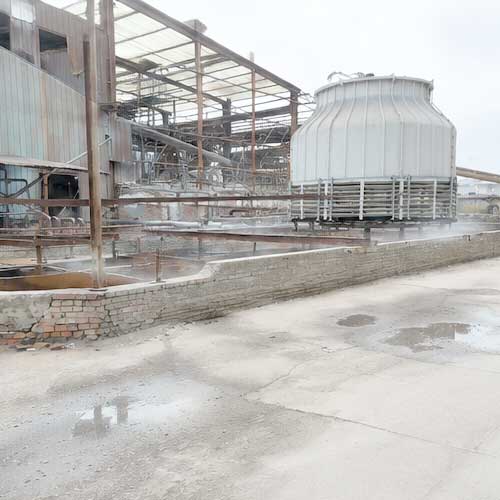
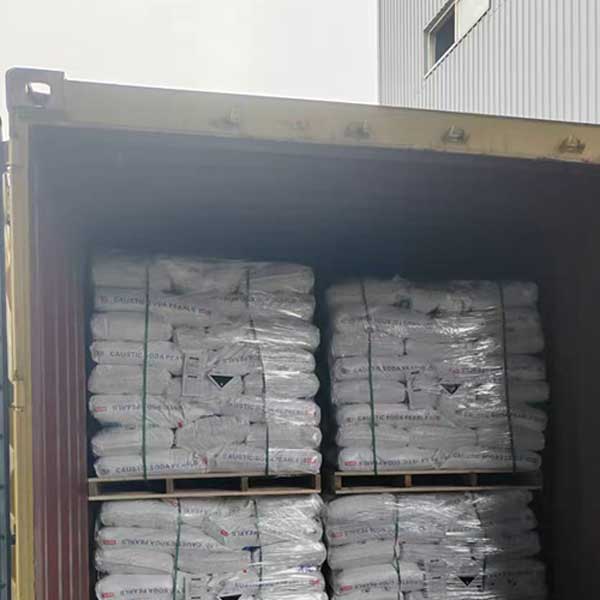
Fangyuan (Tianjin) Chemical Co., Ltd. is one of the leading caustic soda suppliers in China, specializing in high-quality sodium hydroxide flakes, pearls, solid, and liquid caustic soda. With 20 years of manufacturing experience and direct shipment from Tianjin Port, we offer stable quality and competitive wholesale prices worldwide. Contact us today for reliable chemical solutions...[ read more ]


Contact person : Alice Wang
WhatsAPP/Mobile Phone:86-18622179529
E-mail: admin@fangyuan-chem.com
Add:Room 908A, Yinzuo Building, No. 35, Second Avenue, Tianjin Economic and Technological Development Area